
Los llaveros con comunicación de campo cercano ofrecen mayor seguridad. Utilizan un cifrado robusto y comunicación bidireccional. El acceso seguro es fundamental para edificios, vehículos y dispositivos. La tecnología de identificación por radiofrecuencia, como los llaveros RFID, ayuda a controlar el acceso a oficinas, coches y dispositivos. Algunos usos comunes son:
|
Caso de uso |
Descripción |
|---|---|
|
Acceso al edificio |
Los llaveros permiten entrar a edificios sin llave. Ayudan a controlar quién entra y sale. |
|
Seguridad del vehículo |
Los llaveros permiten abrir y cerrar autos a distancia. Puedes arrancar motores sin llaves normales. |
|
Autenticación del dispositivo |
Los llaveros funcionan como tokens de seguridad para los dispositivos. Garantizan que solo los usuarios autorizados puedan acceder. |
Las etiquetas NFC ayudan a acceder a casas inteligentes.
Puedes usarlos como llaves digitales en la billetera de tu teléfono.
Los llaveros NFC son más seguros que los RFID. Esto se debe a que utilizan un cifrado fuerte y son bidireccionales. llaveros RFID Son ideales para exteriores o lugares difíciles. Son resistentes y resisten el mal tiempo. - Los llaveros NFC son ideales para acceder rápidamente a oficinas y hogares inteligentes. También puedes usar tu teléfono como llave. - Elige siempre llaveros con cifrado fuerte. Esto ayuda a evitar copias y a mantener fuera a personas no autorizadas. - Revisa constantemente tus sistemas de acceso para asegurarte de que estén protegidos contra nuevos peligros.
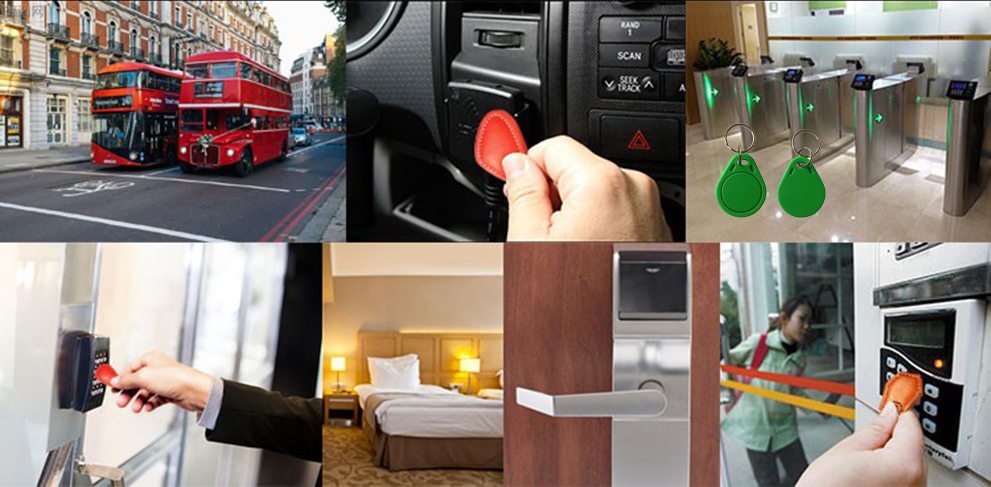
Los llaveros RFID le ayudan a abrir puertas y portones. No necesita una llave convencional. Al acercar el llavero a un lector, este envía un código especial. Este código viaja por ondas de radio. El sistema lo comprueba para ver si puede entrar. Muchos llaveros RFID utilizan chips de alta frecuencia, como el de 13,56 MHz. Estos chips ofrecen más funciones. El control de acceso RFID se ve en oficinas y hoteles. Los estacionamientos también utilizan estos sistemas. Ayudan a controlar quién puede entrar en cada área.
Los llaveros RFID mantienen tus cosas seguras con muchas protecciones:
Los sistemas RFID encriptados mantienen sus datos seguros cuando se envían.
Muchos llaveros RFID utilizan cifrado simétrico para mantener los mensajes en secreto.
Algunos sistemas utilizan autenticación mutua. El llavero y el lector se verifican primero.
Los llaveros RFID de alta frecuencia tienen seguridad adicional y mejor cifrado.
Estas protecciones dificultan que alguien copie o piratee su llavero. Puede confiar en los llaveros RFID para proteger su edificio o dispositivo.
Los llaveros RFID están diseñados para resistir entornos difíciles. Muchos son resistentes al agua y al polvo. Soportan temperaturas muy altas o bajas. Algunas etiquetas funcionan incluso con ácidos o productos químicos fuertes. Pueden usarse en exteriores o en fábricas. Busque llaveros con altos índices de protección, como IP65, IP66 o IP69K. Estos índices garantizan una mayor resistencia al agua. Algunos llaveros RFID funcionan a 200 °C o -190 °C.
|
Tipo de mecanismo |
Descripción |
|---|---|
|
Evidencia de manipulación física |
Los llaveros se rompen o muestran advertencias si se abren. |
|
Protección a nivel de datos |
El cifrado bloquea o elimina los datos si se manipulan. |
|
Doble protección contra manipulaciones |
Utiliza seguridad física y de datos para mayor seguridad. |
Los llaveros RFID funcionan bien incluso en lugares difíciles.
Los llaveros NFC se usan acercándolos a un lector. El llavero y el lector se envían señales. Esto solo funciona cuando están muy cerca. El control de acceso NFC se encuentra en hogares, escuelas y oficinas. Estos sistemas permiten abrir puertas o iniciar sesión en computadoras. También se pueden pagar con un toque. No es necesario deslizar ni insertar nada. El sistema verifica quién eres. Si tienes permiso, accedes. Esto hace que el control de acceso NFC sea rápido y seguro.
Los llaveros NFC utilizan reglas estrictas para proteger tus datos. Utilizan cifrado para ocultar tu información cada vez que los usas. El llavero y el lector comparten códigos secretos que cambian constantemente. Esto dificulta el robo de tus datos.
Para detener los ataques de retransmisión, los sistemas utilizan medidas de seguridad especiales. Estas incluyen autenticación segura, cifrado e intercambio seguro de claves. Por ejemplo, los códigos o tokens pueden cambiar cada vez que se intenta acceder. Esto ayuda a impedir que los atacantes vulneren el sistema.
Obtienes mayor seguridad porque tanto el llavero como el lector son verificados. Esta verificación bidireccional ayuda a evitar que los hackers copien tu llavero.
Los llaveros NFC funcionan en muchos lugares y de muchas maneras. Se pueden usar en hospitales para mantener seguras las áreas de pacientes. Ayudan a proteger la información privada. El personal puede acceder fácilmente, lo que garantiza la seguridad de todos.
Puede configurar el control de acceso NFC para pequeñas oficinas y grandes empresas. Esto significa que obtendrá la seguridad adecuada a sus necesidades.
Los sistemas NFC funcionan bien con otras herramientas de seguridad. Puedes ver quién entra en tiempo real. También puedes cambiar quién entra rápidamente si es necesario.
Los llaveros NFC le brindan una forma segura y flexible de controlar el acceso casi en cualquier lugar.
Quieres que tu llavero mantenga tu información segura. Para ello, es importante saber cómo se transfieren y se bloquean los datos. Al usar RFID, tu llavero envía información a un lector mediante ondas de radio. La señal puede viajar a pocos metros de distancia. Esto facilita su uso, pero alguien podría intentar interceptarla. Los llaveros NFC solo funcionan cuando se mantienen muy cerca del lector, a pocos centímetros de distancia. Esta corta distancia ayuda a mantener tu información segura.
El cifrado dificulta la lectura de tu información. Tanto RFID como NFC pueden usar cerraduras robustas, pero NFC suele usar cerraduras más seguras, como AES-128. Esto mantiene tu información segura incluso si alguien intenta acceder a ella. Puedes ver las principales diferencias en la siguiente tabla:
|
Característica |
RFID |
NFC |
|---|---|---|
|
Alcance operativo |
Unos pocos pies |
Unas cuantas pulgadas |
|
Vulnerabilidades |
Propenso a la clonación y a la interferencia electromagnética |
Requiere acceso a un teléfono inteligente por seguridad |
|
Autenticación |
Comunicación generalmente unidireccional |
Permite la comunicación bidireccional |
|
Requisito de tarjeta llave |
Se necesitan tarjetas de acceso físicas |
Los teléfonos inteligentes pueden actuar como tarjetas de acceso |
|
Mantenimiento |
Mayor mantenimiento debido a las tarjetas físicas |
Bajo mantenimiento con integración en la nube |
Consejo: Elija un llavero con cerraduras fuertes para mayor seguridad en sus sistemas de control de acceso.
La autenticación comprueba si se le permite entrar. En los sistemas RFID, el lector envía una señal al llavero. Este responde con su código. Esto se denomina comunicación unidireccional. Funciona bien, pero puede ser menos seguro. Alguien podría intentar copiar el código si se acerca.
Los llaveros NFC utilizan comunicación bidireccional. El lector y el llavero se comunican entre sí. Ambos lados verifican si el otro es real. Esto dificulta mucho que alguien engañe al sistema. Ofrece mayor seguridad porque ambos dispositivos deben estar de acuerdo antes de entrar.
A continuación, presentamos un vistazo rápido a formas importantes de hablar de forma segura:
|
Tipo de protocolo |
Descripción |
|---|---|
|
Cifrado de datos |
Se asegura de que los datos robados no puedan ser leídos por otros. |
|
Comunicación segura |
Envía datos de forma segura para que las personas no puedan escucharlos. |
Nota: La comunicación bidireccional en NFC ayuda a evitar que los piratas informáticos copien o reproduzcan su llavero.
Debe considerar tanto la seguridad física como la digital. Los llaveros RFID son resistentes y se adaptan a entornos difíciles. Son resistentes al agua, al polvo e incluso a productos químicos. Esto los hace ideales para uso en exteriores o en fábricas. Los llaveros NFC también son resistentes, pero su principal ventaja reside en la seguridad digital.
Para mayor seguridad digital, la tecnología NFC ofrece mayor protección. El corto alcance y las comprobaciones bidireccionales dificultan el robo de información. La tecnología RFID facilita ataques como la copia o la captura de señales. Puedes reducir estos riesgos utilizando llaveros RFID con cerradura y manteniendo tu sistema actualizado.
Si busca la máxima seguridad para su control de acceso, busque llaveros resistentes y con cerraduras digitales de alta calidad. Así, estará seguro en cualquier situación.
Quizás te preguntes cómo duplicar un llavero RFID. Los atacantes utilizan varios métodos para duplicar tu llavero y acceder a lugares seguros. El ataque más común es la clonación. En este ataque, alguien usa un clonador para copiar los datos de tu llavero. Así, pueden crear un duplicado que funciona igual que el original. Algunos atacantes usan un kit de clonación RFID, que puede leer y copiar el código de tu llavero en segundos. Estos kits son pequeños y fáciles de ocultar.
Estas son las principales formas en que los atacantes duplican los llaveros RFID:
Los ataques de clonación crean copias falsas de etiquetas RFID reales. Estas copias pueden engañar a los lectores y abrir puertas.
Los atacantes usan un clonador para escanear tu llavero sin que te des cuenta. Solo necesitan acercarse a tu bolsillo o bolso.
Algunos tipos de llaveros RFID tienen poca seguridad. Los atacantes los atacan porque son más fáciles de duplicar.
Las limitaciones en el tamaño y el costo de las etiquetas RFID pueden hacerlas menos seguras.
Debe saber que no todos los llaveros RFID son iguales. Algunos utilizan un mejor cifrado y son más difíciles de duplicar. Otros son más básicos y fáciles de copiar para un clonador.
Los llaveros NFC también presentan riesgos, pero los ataques son diferentes. Para duplicar un llavero NFC, un atacante debe acercarse mucho a él. El corto alcance dificulta el uso de un clonador. La mayoría de los sistemas NFC utilizan cifrado robusto y comprobaciones bidireccionales. Esto significa que tanto el lector como el llavero deben estar de acuerdo antes de abrir una puerta.
Aún así, pueden ocurrir algunos ataques:
Los piratas informáticos pueden intentar interceptar la señal si se acercan lo suficiente.
Los atacantes pueden usar un clonador, pero necesitan herramientas especiales y deben estar junto a ti.
Es posible que algunos tipos de llaveros NFC más antiguos no tengan las últimas funciones de seguridad.
Puede reducir el riesgo eligiendo llaveros NFC con cifrado avanzado. Actualice siempre sus sistemas de control de acceso para bloquear nuevas amenazas.
Quizás te preguntes cómo duplicar un llavero RFID en la vida real. Los atacantes suelen usar un clonador o un kit de clonación RFID. Escanean tu llavero, copian el código y crean un duplicado. Algunos intentan duplicar el llavero de un apartamento para tener uno de repuesto para amigos o familiares. Otros usan un servicio que promete fabricar uno de repuesto, pero esto puede ser arriesgado si no confías en el servicio.
Incidentes reales demuestran los riesgos de los llaveros RFID débiles. Por ejemplo, los atacantes utilizaron dispositivos SDR para capturar señales de llaveros Hitag2. Descifraron el cifrado de 48 bits y clonaron llaves en menos de un minuto. Esto provocó numerosos robos de vehículos.
|
Descripción del incidente |
Método de explotación |
Resultado |
|---|---|---|
|
Vulnerabilidad del llavero Hitag2 |
Los atacantes utilizan dispositivos SDR para capturar transmisiones y explotar un cifrado de 48 bits. |
Las llaves se pueden clonar en menos de un minuto, lo que puede provocar robos de vehículos. |
Puedes protegerte de estas amenazas. Aquí tienes algunos consejos:
Use carteras o bolsas con bloqueo RFID. Esto impide que un clonador escanee su llavero.
Elija llaveros RFID con funciones de seguridad avanzadas. Algunos pueden desactivar el encendido de su coche o rastrear su ubicación.
Añada capas adicionales a sus sistemas de control de acceso. Use alarmas o inmovilizadores con su llavero.
Actualice su software con frecuencia. Esto protege su sistema de nuevos ataques.
No utilice un servicio en el que no confíe para duplicar su control remoto o hacer uno de repuesto.
Si necesita una de repuesto, utilice siempre un servicio de confianza. Nunca comparta su mando a distancia con desconocidos. Puede reducir el riesgo manteniéndose alerta y utilizando las herramientas adecuadas.
Consejo: Compruebe siempre si sus llaveros RFID utilizan un cifrado fuerte. Si utiliza un kit de clonación RFID o un servicio para duplicar su llavero, asegúrese de seguir las prácticas de seguridad.
Al comparar RFID y NFC, se observa que los llaveros NFC son más difíciles de duplicar. Su corto alcance y su fuerte encriptación le protegen. Los llaveros RFID con baja seguridad son más fáciles de copiar para un clonador. Siempre debe elegir la mejor tecnología para sus necesidades y mantener sus sistemas de control de acceso actualizados.
Quiere un llavero fácil de usar que mantenga sus pertenencias seguras. Tanto los llaveros RFID como los NFC ofrecen formas sencillas de desbloquear puertas o dispositivos. Solo necesita acercar o sostener el llavero a un lector. Sin embargo, debe considerar cómo funciona cada tipo en la vida diaria.
La siguiente tabla muestra los principales factores que afectan la facilidad de uso para ambos tipos:
|
Característica |
NFC |
RFID |
|---|---|---|
|
Rango de lectura |
Alcance muy corto, normalmente hasta 4 cm. |
Varía desde unos pocos centímetros hasta varios metros. |
|
Transferencia de datos |
Comunicación bidireccional rápida. |
Transmisión de datos típicamente unidireccional. |
|
Casos de uso ideales |
Pagos sin contacto, transferencias rápidas de archivos. |
Gestión de inventario a gran escala, seguimiento de activos. |
|
Integración |
Comúnmente se encuentra en teléfonos inteligentes. |
Requiere lectores especializados, menor integración con teléfonos inteligentes. |
Puede que le resulten más fáciles los llaveros NFC si desea acceder y usar su teléfono de forma rápida y segura. Los llaveros RFID ofrecen mayor alcance, lo que resulta útil en estacionamientos o almacenes. Compruebe siempre la compatibilidad con su sistema actual antes de elegir un llavero. Si busca facilidad de uso y una seguridad sólida, busque productos con cifrado avanzado y autenticación mutua.
Al instalar sistemas de control de acceso, debe considerar el costo. El precio puede variar según el tipo de llavero y el tamaño de su proyecto. A continuación, se presenta un resumen del rango de costos de cada sistema:
|
Tipo de sistema |
Rango de costos |
|---|---|
|
RFID |
$1,500 - $3,500 |
|
NFC |
$2,000 - $4,500 |
Los sistemas RFID suelen ser más económicos al principio, especialmente para edificios grandes. Los sistemas NFC pueden ser más caros, pero ofrecen funciones adicionales como la integración con teléfonos y controles de seguridad bidireccionales. También debería comprobar la compatibilidad con sus puertas, portones o dispositivos antes de comprarlos.
La personalización es importante si desea que sus llaveros combinen con su marca o necesidades especiales. OEM RFID Factory le permite agregar su logotipo o elegir formas y colores especiales. Por ejemplo, el Plus S 2K. Etiqueta de llave RFID de 13,56 MHz Ofrece impresión y grabado de logotipos. El llavero ABS NFC está fabricado con materiales ecológicos y es compatible con Amiibo, lo que lo convierte en una opción ideal para juegos o sistemas de pago.
Elige llaveros RFID si necesitas algo resistente. Funcionan bien en exteriores y en lugares difíciles. Son ideales para portones, estacionamientos y fábricas. Son compatibles con agua y productos químicos. Son ideales para grupos grandes de personas. Puedes usarlos en hoteles, credenciales de trabajadores o puertas de almacenes. Permiten abrir puertas a distancia. Además, cuentan con cerraduras resistentes que impiden su copia.
Consejo: Usa llaveros RFID si en tu zona hay mal tiempo o mucho uso. Puedes confiar en su larga duración.
Elige llaveros NFC si quieres entrar de forma rápida y segura. Son ideales en oficinas, escuelas y hogares inteligentes. Los llaveros NFC comprueban tanto el lector como el llavero, lo que dificulta el acceso a los hackers. Puedes usar tu teléfono como llave con NFC, lo que te facilita las cosas. La tecnología NFC es ideal para grupos pequeños o si quieres pagar con tu llavero. También puedes usarlos para partidos o entradas.
Nota: Los llaveros NFC le brindan una fuerte seguridad digital y un uso diario fácil.
Puede obtener más seguridad con tipos especiales como la etiqueta de llave RFID y Llavero ABS NFC De fábrica OEM RFID. Estos llaveros cuentan con características adicionales para lugares que requieren mayor seguridad. La siguiente tabla muestra sus características especiales:
|
Característica |
Descripción |
|---|---|
|
Durabilidad |
El material ABS mantiene el llavero fuerte en lugares difíciles. |
|
Impermeable |
Un sellado especial evita que entre agua. |
|
Seguridad avanzada |
Los bloqueos AES o 3DES hacen que la copia sea muy difícil. |
|
Cumplimiento |
Funciona con muchos sistemas porque cumple con las normas ISO. |
|
Función anticolisión |
Muchos mandos a distancia pueden funcionar a la vez sin perder datos. |
Estos llaveros ayudan a proteger su edificio de amenazas. Son ideales para hoteles, oficinas y trabajos especiales. Si busca algo resistente y seguro, elija estos para su próxima renovación.
Los llaveros NFC ofrecen mayor seguridad gracias a su cifrado avanzado y verificación bidireccional. Estudios reales demuestran que tanto la tecnología RFID como la NFC pueden conllevar riesgos, por lo que es importante identificar el tipo de llavero y mantenerse actualizado. Le recomendamos consultar las preguntas frecuentes sobre los llaveros RFID antes de solicitar el kit de clonación RFID adecuado o tener siempre uno de repuesto. Elija el llavero adecuado para sus necesidades. En comercios y almacenes, la tecnología RFID mejora la seguridad rastreando artículos y previniendo robos. Explore las soluciones de OEM RFID Factory para encontrar la mejor opción.
Los llaveros NFC ofrecen mayor seguridad gracias a su comunicación bidireccional y un cifrado robusto. Estas funciones te ayudan a controlar quién entra en tu espacio. Los sistemas NFC también requieren contacto cercano, lo que reduce el riesgo de robo de señal.
Si su llavero RFID utiliza un cifrado débil, corre riesgos. Los atacantes pueden usar un clonador para copiarlo. Le recomendamos elegir llaveros RFID avanzados con un cifrado fuerte para controlar el acceso y mantener sus sistemas seguros.
Debe considerar su entorno y sus necesidades de seguridad. Utilice llaveros RFID para control exterior o industrial. Elija llaveros NFC para oficinas o hogares inteligentes. Compruebe siempre si sus sistemas admiten cifrado avanzado y autenticación mutua para un mejor control.
Puedes encontrar llaveros RFID y NFC resistentes al agua y a las inclemencias del tiempo. Muchos productos utilizan material ABS para mayor resistencia. Esto te ayuda a controlar el acceso en lugares difíciles y a mantener tus sistemas en perfecto funcionamiento.
Debe informar a su administrador de control de inmediato. Ellos pueden retirar el control remoto perdido del sistema. Esto evita que otros lo usen. Los buenos sistemas le permiten agregar o quitar controles remotos rápidamente, para que usted controle quién entra.
Etiquetas :
No. 225 , 2F , Hombo innovation Technology Industrial park ,Qingning Rd .Longhua district ,
Correo electrónico : info@zjiotech.com
Principal Lisa : jimmy@zjiotech.com
(Servicios al cliente de 24 horas.)
Teléfono : +86(0)755 21013852


 español